
Many people turn to physical gold, silver and platinum to protect purchasing power and add ballast to a financial mix. Buying actual metal is not the same as buying a fund so the steps you take affect cost safety and resale. Small lapses at purchase can become large headaches later and cautious moves cut risk. …
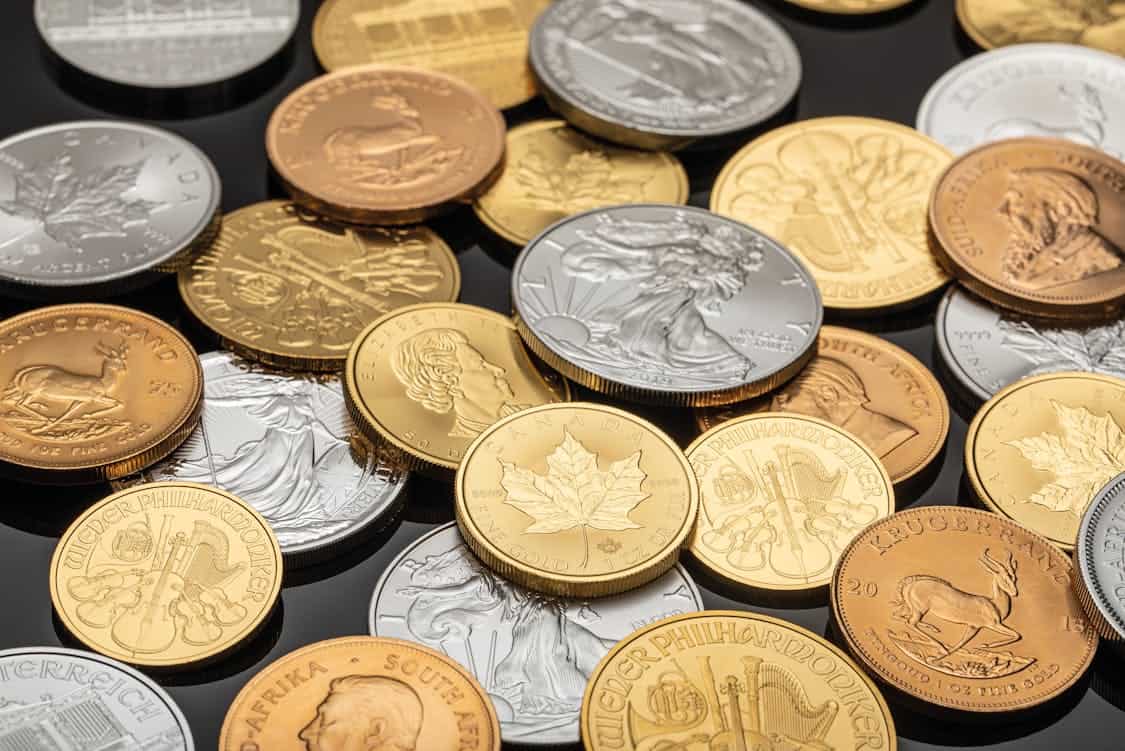
Many people turn to physical gold, silver and platinum to protect purchasing power and add ballast to a financial mix. Buying actual metal is not the same as buying a fund so the steps you take affect cost safety and resale.
Small lapses at purchase can become large headaches later and cautious moves cut risk. The five strategies below provide clear actions to help buyers act with more confidence.
1. Prioritize Authenticity And Purity
When you start the search check for official hallmarks assay marks and clear fineness ratings stamped on the piece. A manufacturer name a serial number and an assay certificate from a recognized mint or lab add layers of trust that help with later sale.
Portable testing tools such as high quality electronic analyzers and standard acid kits catch many counterfeits before money changes hands. For very large purchases a third party assay or grading report from a known laboratory is often worth the added fee.
Government minted bullion coins carry legal tender status and standardized specifications that simplify verification in many markets. Compare weight diameter and design details against published specifications and images from reputable references to detect subtle mismatches.
Photos or scans of the item compared to known good samples help when buying from remote sellers. Small verification steps now protect you from big losses later and increase the chance of a smooth resale.
2. Choose Reputable Dealers And Sources
A seller with a long track record and positive client feedback reduces the odds of surprise problems after the sale. Shop around for dealer histories transparent pricing and clear return policies before committing funds.
Before making any significant purchase, it’s smart to work with a trusted precious metal dealer who can verify authenticity and guide you on market pricing.
Established firms often list buy back programs and publish pricing that reflects current spot values plus a disclosed premium. Local bullion shops let you inspect and test pieces in person while online vendors provide convenience so weigh the trade offs.
Auction houses estate sales and private sellers sometimes yield rare finds at lower cost but these channels require patience and a careful eye. When buying through online marketplaces read seller ratings inspect images closely and ask for serial numbers prior to payment.
Require a full invoice that documents the item description serial numbers and total price to create a clear paper trail. A dependable vendor stands behind authenticity and provides an explicit path if an issue comes up.
3. Think About Coins Versus Bars

Coins frequently carry higher premiums because of minting costs collector interest and guaranteed weight accuracy. Bars offer a lower premium per ounce and come in many sizes from one gram up to hundreds of ounces for institutional investors.
Smaller units give flexibility for incremental selling yet cost more per ounce so match unit size to how you expect to use the metal. Your choice should align with whether you intend to trade frequently sell small lots or store a bulk holding for the long haul.
Some coins have strong global recognition which helps when selling in foreign markets or through established dealers. Large bars reduce handling complexity and take less space when storing a large position in a single location.
A mix of sizes provides options to liquidate a few ounces or an entire holding without extra fuss. Focus less on shine and more on how form affects future fees shipping costs and buyer demand.
4. Plan Safe Storage And Insurance
Think through how access security and redundancy play together before you finalize the purchase. Home safes offer immediate control but they require solid installation a bolted down anchor point and secrecy to be effective.
Bank safety deposit boxes provide a measured level of security with the trade off of limited access during holidays or bank closures. Private vault services give professional custody inventory reporting and insurance coverage that can prove appealing for larger portfolios.
An insurance policy that explicitly covers precious metals at declared replacement value reduces exposure to theft and accidental loss. Read policy language to identify any exclusions sublimits or high deductibles that could erode the benefit.
Store copies of invoices serial numbers and certificates in a separate secure place to support a claim if trouble happens. Limit the circle of people who know precise details about your holdings because loose talk increases risk.
5. Watch Prices And Manage Costs
Spot prices reflect global supply demand currency moves and macro sentiment so track public pricing feeds rather than single seller quotes. Premiums above spot show the true transaction cost and include minting shipping and dealer margin which differ widely by product.
Add expected shipping insurance and any import or export fees to the math so you see the full outlay for a purchase. Small savings on premium or shipping add up over a series of buys when building a meaningful allocation.
Tax rules affect net return at sale and vary by jurisdiction so keep clear purchase records and proof of provenance to meet reporting requirements. A measured buying plan such as regular fixed amount purchases reduces the impact of short term volatility and takes emotion out of timing choices.
If resale within a short horizon is likely stick to highly traded products with low premiums to preserve liquidity. When price swings create opportunity a calm consistent approach often wins over frantic timing attempts.