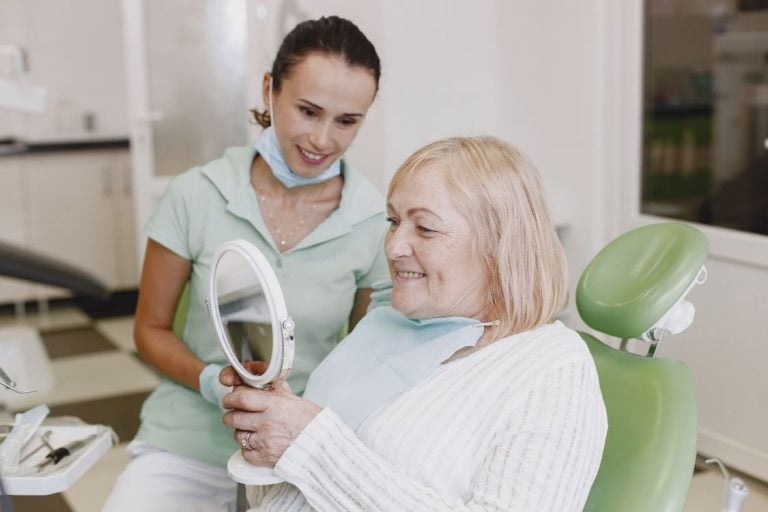
A confident smile often starts with well aligned teeth that function smoothly and look natural. Alignment affects chewing, speech and the way facial features balance, so attention to tooth position pays off beyond looks. Many routes lead to straighter teeth, and understanding key steps helps you pick a path that fits daily life and long …
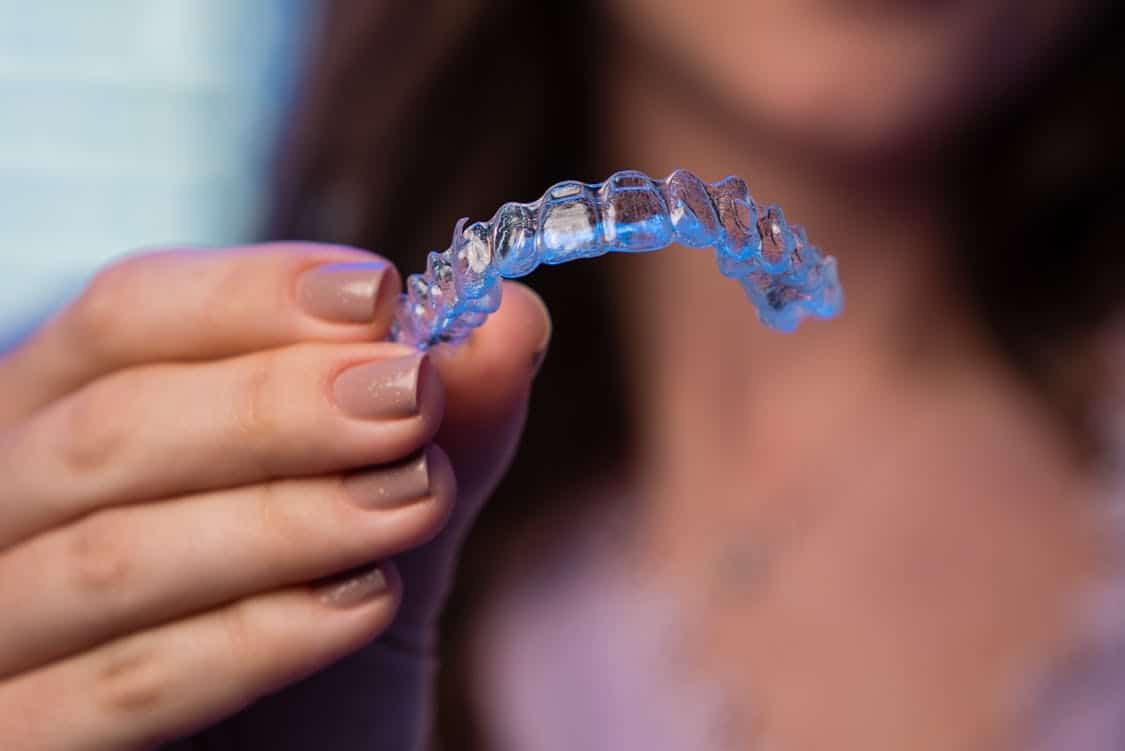
A confident smile often starts with well aligned teeth that function smoothly and look natural. Alignment affects chewing, speech and the way facial features balance, so attention to tooth position pays off beyond looks.
Many routes lead to straighter teeth, and understanding key steps helps you pick a path that fits daily life and long term goals.
When To Seek Professional Help
If your teeth crowd, sit crooked or your bite feels off, it is a good idea to consult a trained orthodontic clinician early. A professional exam reveals whether shifting teeth alone will do the trick or if jaw position needs correction, and that assessment guides all next steps.
Young patients gain advantages from growth that can be guided, while adults have mature bone and soft tissue that react differently to movement. An early talk with a trusted clinician helps map options and set a timeline that matches life events and budget.
How Misalignment Affects Function And Look
Teeth that are out of line can place uneven forces on enamel and supporting bone, which leads to wear and sensitivity over time. Gaps and overlaps also trap food and plaque, raising the odds of cavities and gum trouble unless daily care is stepped up.
Facial aesthetics change with tooth position, because lips and cheeks rest on tooth surfaces and respond when those surfaces move. Fixing alignment is about more than a camera ready smile; it is a way to protect function and keep a grin comfortable for years.
Orthodontic Treatment Options
Traditional metal braces use brackets and wires to apply controlled force that moves teeth along predicted paths, and they remain a reliable choice for many complex changes. Ceramic brackets blend with tooth color while offering similar mechanical benefits.
Clear aligners are removable trays that shift teeth in a planned sequence, and many people turn to certified Invisalign experts to ensure their treatment is staged accurately and efficiently. Some cases call for surgery to reposition jaws when skeletal differences are significant.
Clear Aligners Versus Braces

Clear aligners offer discreetness and easier brushing since trays lift out, and many people appreciate the freedom during social events and meals. Braces handle severe rotations and complex molar movements with high predictability, which is why they remain the first choice for some clinicians.
Treatment length can be similar between methods, yet the day to day feel differs and adherence to wearing trays as directed makes a big difference for aligner outcomes. Discussing lifestyle, clinical goals and the amount of movement needed helps pick a path that fits both the mouth and the weekly rhythm.
Preparing For Treatment
A thorough mouth exam and digital records form the roadmap that clinicians follow, and those steps include photographs, scans and bite checks. Any active dental disease such as cavities or gum inflammation is addressed first so that moving teeth takes place on a healthy foundation.
Talk about pain management and how adjustments or tray changes might feel, so there are no surprises when the appliance work begins. Setting small goals and realistic checkpoints keeps motivation high through months of steady progress.
Maintaining Oral Hygiene While Under Treatment
Cleaning becomes more important once devices or attachments are present because plaque can hide in new places and cause staining or decay. A soft brush and targeted tools like interdental brushes help reach around brackets or under edges of trays, and rinsing with a fluoride solution supports enamel strength.
Regular professional cleanings and checkups remain part of the plan, and clinicians can spot trouble early before it becomes a setback. Good hygiene keeps the path clear for tooth movement and helps outcomes look their best when appliances come off.
Aftercare And Retention
When active movement stops, teeth will try to return toward old positions unless they are held in place with retainers that fit snugly. Removable retainers work well when worn as prescribed and offer easy cleaning, while fixed retainers bond behind teeth for continuous support in targeted areas.
Wearing retainers faithfully during the first months is critical because bone and soft tissues need time to remodel and stabilize around new positions. A small amount of follow up and nightly night wear keeps the investment safe and prevents annoying relapse.
Cosmetic Enhancements After Alignment
Once alignment is complete, subtle reshaping or whitening can refine the final appearance and harmonize tooth lengths and color with facial features. Thin porcelain veneers or conservative bonding address minor chips and shape issues while adding a polished surface to aligned teeth.
Working with the same dental team that guided movement helps blend function with beauty so that restorations sit comfortably in the adjusted bite. A measured approach avoids overdoing cosmetic steps and keeps results natural and durable.
Common Challenges And Practical Fixes
Soreness after an adjustment is normal and short lived, and over the counter pain relief or soft foods for a day or two usually does the job. Attachments on teeth or tight elastics can feel strange at first, but most people report that odd sensation fades as days pass and new habits form.
If a tray breaks or a wire pokes, prompt contact with the clinic prevents minor problems from growing into delays, and many practices offer quick fixes or emergency slots. Staying proactive and flexible helps keep momentum and turns a series of small steps into a lasting, well aligned smile.