Engineers pick steel pipe for many practical reasons that touch every stage of a project lifecycle. Its blend of strength and predictable behavior under load gives design teams a clear path when reliable flow or structural elements are required. From heavy industrial plants to municipal water mains the material delivers performance that often outlasts many …
Engineers pick steel pipe for many practical reasons that touch every stage of a project lifecycle. Its blend of strength and predictable behavior under load gives design teams a clear path when reliable flow or structural elements are required.
From heavy industrial plants to municipal water mains the material delivers performance that often outlasts many alternatives in long term metrics. The next sections describe the main technical and economic drivers that make steel pipe a common first choice in engineering practice.
Durability And Strength
Steel pipe offers high tensile strength and yield capacity which helps it resist deformation under heavy loads and fluctuating pressure cycles. That inherent toughness helps structures stand the test of time when pipes serve as conveyors or part of a support system.
Engineers favor materials that behave predictably during design and testing phases where safety margins hinge on reliable material properties. That reliability reduces surprises on site and keeps projects moving within planned timelines and budgets.
A reputable stainless steel pipe manufacturer can provide datasheets and traceable certifications that support these design decisions.
Corrosion Resistance And Coatings
Raw steel will corrode in many environments but modern protective systems turn ordinary pipe into long lived service lines. Various linings and external treatments reduce attack from moisture and chemicals allowing pipelines to remain in service for decades.
Selecting the appropriate internal lining and external coating is a routine engineering decision that maps material behavior to anticipated exposure. That tailoring of protection lets steel work well in coastal settings industrial zones and buried runs with fewer unexpected outcomes.
Load Bearing And Structural Performance
Thick walled steel pipe carries compressive and tensile loads with clear margin over many other common materials. When pipe doubles as a structural member its bending and buckling behavior is well documented which makes it suitable for bridges piers and offshore platforms.
Engineers run standard calculations and test data that align neatly with hand methods and advanced models which builds practical confidence. That predictability reduces the need for oversized safety buffers and can lead to lighter overall assemblies.
Fabrication And Welding Ease
Steel is familiar to fabricators and shops have decades of experience cutting rolling and welding pipe into assemblies. Welding procedures are well documented and certified welders can create joints that approach or match base metal strength across many grades.
Custom work at the factory or on site makes it straightforward to add flanges branches or fittings when a job calls for unusual routing. That practical familiarity speeds turnaround and lowers the chance of costly rework, and it embodies the old rule of measure twice and cut once in modern shop practice.
Cost Effectiveness Over Time
The upfront price of steel pipe is often competitive and long term operational costs frequently tip the balance in its favor. Lower maintenance needs and predictable replacement cycles reduce lifecycle expense for many municipal and industrial systems.
When asset owners run lifecycle models steel commonly appears as the economical pick after maintenance and downtime are factored in. That financial clarity makes it easier for project teams to present defensible options to stakeholders.
Availability And Standardization
Steel pipe is produced to established standards that specify dimensions wall thickness and mechanical properties. Those standards let engineers specify parts that multiple vendors can supply without reworking designs which simplifies procurement at scale.
Wide production and mature supply chains mean lead times are often shorter than for exotic alternatives that require special mills or alloys. A common source of parts also supports spare programs and emergency repairs with less hassle and fewer vendor lock in issues.
Versatility In Applications
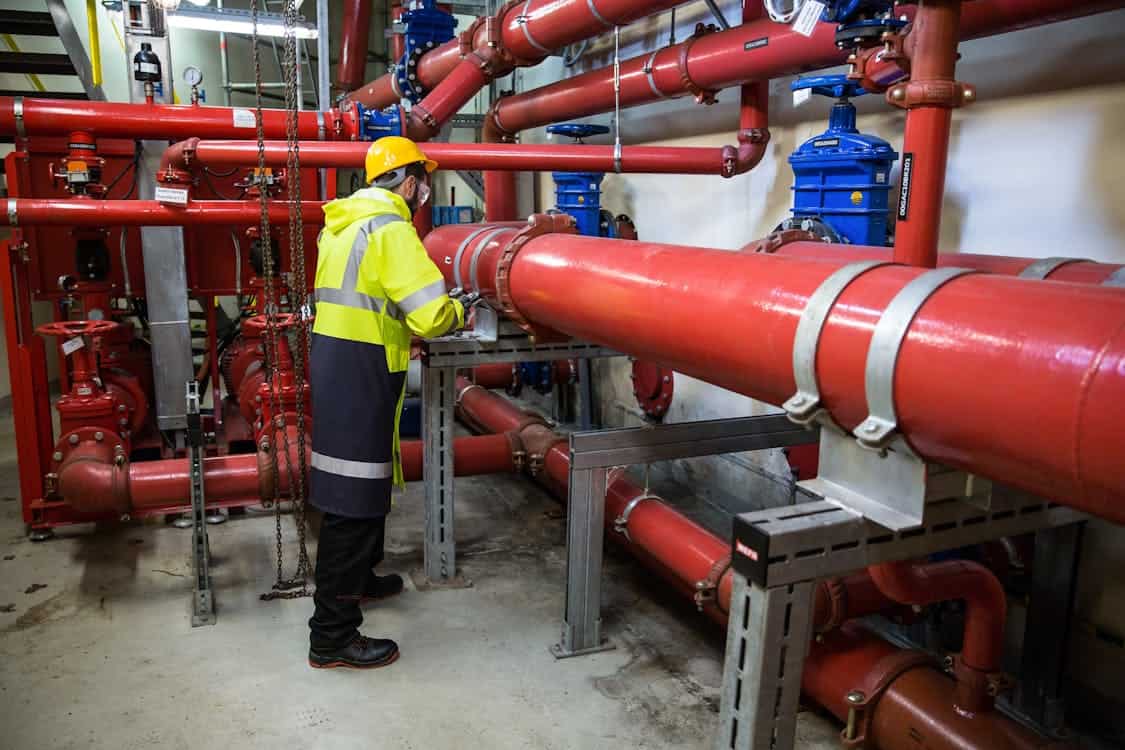
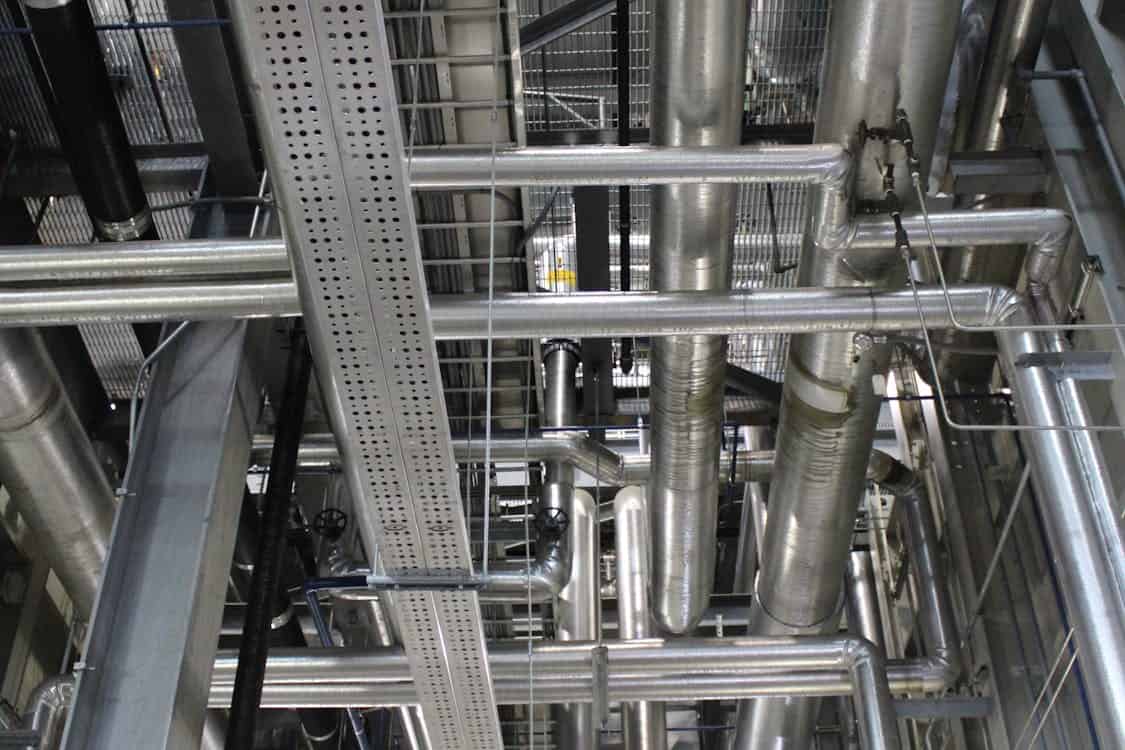
Steel pipe suits a broad set of functions from high pressure transmission in oil and gas to low pressure drainage and HVAC systems. A range of grades wall schedules and fabrication approaches allow the same basic product to meet many performance needs.
When operational conditions change over a facility life engineers can often repurpose or reconfigure steel systems instead of replacing them outright. That flexibility turns a single procurement into a long lived resource rather than a one off line item.
Thermal And Fire Performance
Steel retains strength at elevated temperatures better than many thermoplastics which is critical in fire scenarios and in hot process lines. Thermal expansion of steel is predictable and easy to accommodate with expansion loops anchors and sliding supports.
Fireproofing and insulation systems bond well to steel surfaces and enable compliance with stringent building and process codes. These factors reduce surprises during commissioning and provide clearer performance expectations under emergency conditions.
Maintenance And Inspection Simplicity
Visual inspection ultrasonic testing and magnetic methods give engineers direct signals about the condition of steel pipe in service. Repair approaches for steel are mature and crew members can execute patches replacements or sleeving with common tools and skills.
A transparent maintenance record for steel systems makes risk assessments more reliable and helps schedule interventions with fewer unknowns. Clear service histories cut down on guesswork when operators plan shutdowns and manage spare part inventories.
Compatibility With Existing Infrastructure
Steel pipe frequently matches the dimensions fittings and flanges used in legacy systems which makes upgrades and tie ins less intrusive and more cost effective. Choosing a material that plugs into current networks reduces the number of custom adaptors and minimizes machining or welding on site which speeds completion.
Engineers can model the combined system with confidence as connection standards are well published and field crews are familiar with routine details. That often means fewer surprises at handover and lower short term disruption for operations.
Environmental And Recycling Advantages
Steel is highly recyclable and recovered pipe can reenter melting and rolling streams rather than ending up as waste. Materials that retain market value give operators a path to offset replacement costs and help lower embodied carbon when new products include recycled content.
Life cycle assessments commonly show steel performing well when service life and maintenance are included in the tally and regulators tend to favor designs that reuse material. End of life planning is more straightforward with steel since demolition crews and scrap dealers know how to dismantle and redistribute the metal.