Air duct efficiency has a direct influence on how much energy a heating and cooling system consumes and on occupant comfort. Leaks, poor routing and weak insulation can quietly raise utility bills while making rooms harder to heat or cool. Fixing duct problems often yields quick wins that show up on monthly statements and in …
Air duct efficiency has a direct influence on how much energy a heating and cooling system consumes and on occupant comfort. Leaks, poor routing and weak insulation can quietly raise utility bills while making rooms harder to heat or cool.
Fixing duct problems often yields quick wins that show up on monthly statements and in how long equipment runs. The following sections map key ideas about airflow, losses, testing and practical steps that lead to real savings.
Why Air Duct Efficiency Matters
Air ducts act like the veins of a climate control system and they move conditioned air where people need it. When ducts perform well the system reaches set points faster and the compressor and furnace cycle less often.
Poorly performing ducts increase runtime and push up energy use while adding wear and tear to fans and blowers. A healthier duct network can make both older and newer systems feel more responsive and less noisy.
Common Sources Of Energy Loss In Ductwork
Leaks at joints and connections rank high among the usual suspects for energy loss and pressure problems. Long runs in unconditioned spaces allow heat transfer that changes the temperature of the air while it travels.
Sharp bends and abrupt size changes create turbulence that wastes fan power and reduces flow efficiency. Each of these factors chips away at system performance until the cumulative effect is noticeable on the power bill.
The Role Of Airflow And Duct Sizing
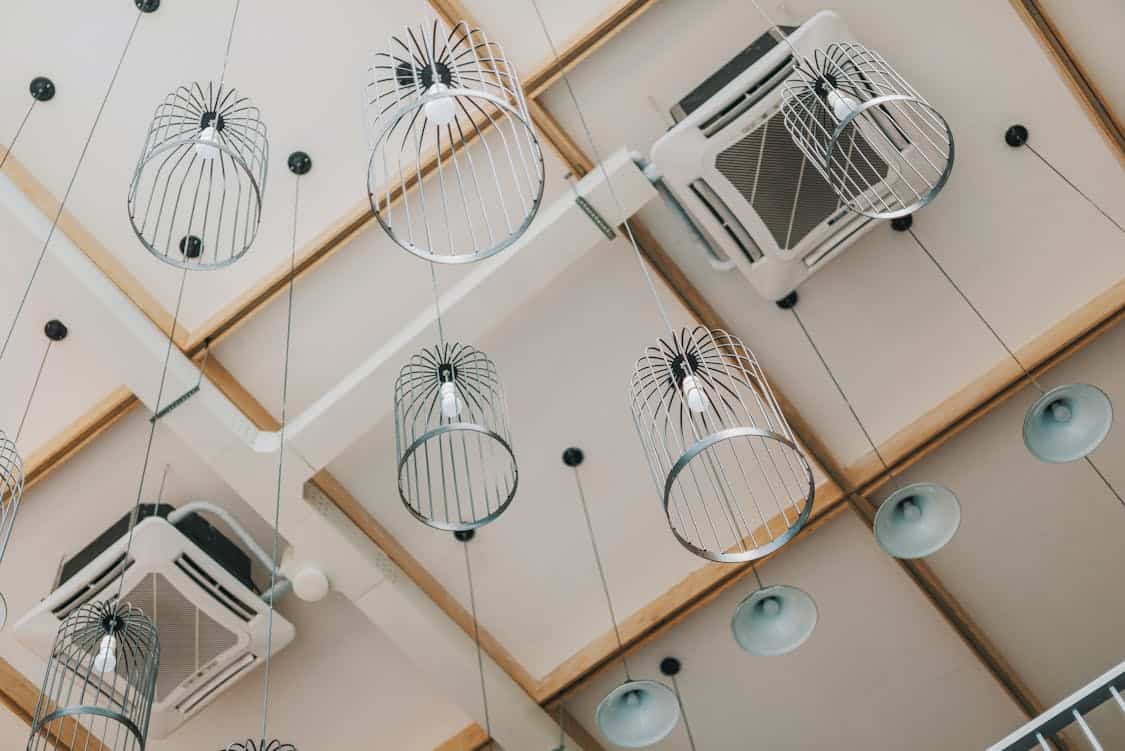
Airflow drives how effectively an HVAC unit delivers comfort and trims energy use through reduced run times. Ducts that are too small push fan motors harder and raise static pressure which lowers system efficiency.
Oversized ducts can mean slower air speeds that reduce mixing and comfort, and they may let conditioned air linger where it is not wanted. Careful planning around cubic feet per minute and velocity keeps things balanced and cost effective.
The Impact Of Leakage And Sealing
Leakage invites conditioned air to disappear into attics and crawl spaces where it cannot do any good. Sealing joints and connections with proper materials reduces that wasted flow and often pays back in months rather than years.
Attention to the obvious gaps plus the tricky spots around registers yields improvements in both airflow and tightness. Treat the seals early and you nip runaway losses in the bud before they compound.
Insulation And Thermal Performance
Insulation around ducts limits unwanted heat gain or loss during transit and keeps the delivered air closer to set point. In hot climates poorly insulated ducts can add cooling load while in cold climates the reverse is true and chilled air can get warmer on the way to a vent.
The right insulation thickness and wrapping method matters more in unconditioned spaces where the temperature contrast is greatest. A properly wrapped duct acts like a buffer and reduces the burden on the main equipment.
Cleaning And Maintenance Practices
Dust and debris inside ductwork reduce cross sectional area and change airflow patterns so the fan works harder for the same outcome.
If you want a healthier airflow system with fewer hidden blockages, it helps to contact a Reliable Airduct cleaning company for a thorough service. Routine checks and targeted cleaning restore more uniform paths and reduce pressure drops across the system.
Regular filter changes and simple visual inspections prevent small problems from snowballing into costly repairs. Treat maintenance as part of an energy plan and not an afterthought.
System Balancing And Zoning Strategies
Balancing helps allocate the right share of airflow to each room so no single zone monopolizes the conditioned air and the system does not run longer than needed. Zoning with dampers and smart controls lets different areas run at different schedules which cuts waste in lightly used spaces.
When balancing is proper the thermostat sees the average conditions more accurately and the compressor cycles less often. Thoughtful zoning helps match supply to demand and keeps comfort consistent.
Measuring Efficiency Through Testing
Testing with simple tools like manometers and thermal cameras yields data that points to where interventions will have the biggest payoff. Pressure testing quantifies leaks and gives a baseline for measuring progress after sealing work.
Airflow measurement at registers shows distribution problems that might not be obvious during a quick visual check. Quantifying performance makes it easier to set priorities and to justify repair choices with numbers.
Economic And Environmental Benefits
Energy savings from duct improvements lower monthly bills and reduce the frequency of expensive major repairs for HVAC equipment. Reduced runtime means less wear and tear and a longer life span for compressors and motors which improves return on investment over time.
Cutting wasted energy also shrinks a building s carbon footprint and contributes to broader goals for lower emissions. Simple actions can add up to meaningful cost avoidance and cleaner operation.
Practical Steps For Homeowners And Facility Managers
Start with a visual scan of accessible ducts to spot obvious gaps, crushed sections or disconnected joints and mark them for repair. Replace clogged filters, tighten visible connections and apply appropriate sealing products at flanges and seams to stop the worst leaks.
If the system still feels uneven schedule a professional test for leakage and airflow so fixes can be prioritized based on measured loss. Small, steady actions can return dependable savings and make the whole system run like it was meant to.