Hot water can be a quiet hazard in the home and in public spaces, and simple plumbing choices cut the risk of severe burns for children and older adults. Small tweaks to plumbing hardware and control settings often stop scald events before they start, so safety becomes part of daily life rather than a rare …
Hot water can be a quiet hazard in the home and in public spaces, and simple plumbing choices cut the risk of severe burns for children and older adults. Small tweaks to plumbing hardware and control settings often stop scald events before they start, so safety becomes part of daily life rather than a rare fix.
A mix of mechanical valves, modern controls and steady maintenance keeps systems running safe and predictable without drama. By treating hot water management as a routine chore you can make living with warm water better and less risky for everyone.
Set Safe Water Temperatures
Most scalds come from water that is far hotter than needed for washing hands or dishes, and lowering the storage temperature is an obvious first step. A water heater set near one hundred and twenty degrees Fahrenheit gives a balance between comfort and safety while keeping bacteria risk low.
Check the heater label and the appliance control and turn the dial down slowly while watching outlet temperature with a kitchen or bath thermometer. When small hands are present, err on the side of caution and aim for cooler delivery at fixtures.
Install Thermostatic Mixing Valves
Thermostatic mixing valves correct sudden swings before they reach the tap, and they are a common feature in water heater upgrades for elderly households where predictable temperatures matter most.
These valves sit near the source such as a water heater or at a manifold and act like a thoughtful guard that corrects swings before they reach a faucet.
Selecting a model rated for the flow and temperature of the installation helps the valve last longer and cut down on false trips. Proper plumbing and a test after installation make the benefit real rather than theoretical.
Use Pressure Balance And Anti Scald Valves
Pressure balance valves respond to drops in cold or hot pressure and shift mix to hold temperature steady, which is handy in bathrooms where toilets or washing machines create pressure swings.
Anti scald devices built into shower controls do similar work and are common in newer fixtures for a reason.
These parts are compact and simple to swap into many older taps, giving quick wins without a full retrofit. Think of them as shock absorbers for hot water so the temperature does not jump when another tap runs.
Fit Point Of Use Protection
Point of use devices sit right under a sink or at a shower valve and temper water before it leaves the tap, so the final drop is safe no matter what the upstream conditions are.
For wards, day cares and assisted living sites these units act as the last line of defense and are easy to test with a probe thermometer.
They are useful in retrofit projects where changing a distant water heater is impractical or costly, and they cut the window for user error. Installing one on high risk fixtures keeps hot water delivery sensible and calm.
Upgrade Water Heater Controls
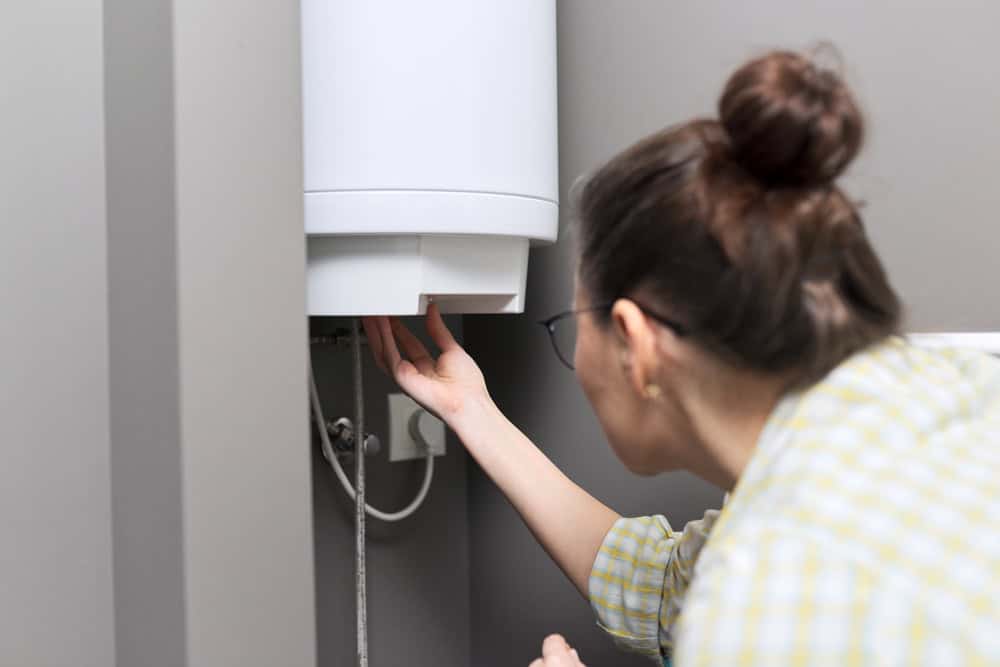
Modern water heaters include smart or simple digital controls that make setting and monitoring storage temperature straightforward for anyone who handles maintenance.
A precise control avoids the guesswork of a plain dial and reduces the chance of a child or a well meaning helper turning the temperature up too high.
For systems with multiple zones a control panel that shows temperatures for each loop helps technicians spot a drift that could lead to scald risks. Regular checks of the control and the tank temperature keep surprises to a minimum.
Keep Equipment Well Maintained
Valves and thermostats stick and leak when sediment builds up or seals age, and a service plan that exercises parts and clears scale pays off in lower risk at the tap.
Flushing a tank yearly and replacing sacrificial anodes where called for helps the heater run clean and keeps the heat exchange efficient.
Loose pipe insulation and corroded fittings are signs that a system is tired and that a scald risk could rise without action. A small investment in upkeep nips larger hazards in the bud.
Add Smart Sensors And Connected Controls
Sensors that monitor outlet temperature and send alerts to a phone or a service hub give owners early warning before a problem becomes an injury event, and they work well where staff change shifts.
Linked controls can shut off the hot supply when a threshold is exceeded and then reset after a test, cutting the chance of a long exposure in places with vulnerable populations.
Data logs let maintenance track trends and catch a slow drift toward hotter outputs that a quick eyeball would miss. In short, a little digital oversight makes old systems behave like new ones when safety is the goal.
Educate Occupants And Label Fixtures
Labels that state outlet temperature and that warn to test water with the back of the hand are small gestures that change behavior and reduce risk in a big way, so do not underestimate their impact.
Brief training for caregivers and residents on how to adjust a valve or check a tap turns technology into practical safety, and keeps everyone on the same page.
A simple habit like running cold first then adding warm cuts the shock that leads to pulling a hand back into hotter flow. When people know the system and trust the hardware, accidents become rare and peace of mind follows.