Acne can leave marks that range from faint color changes to deep textural shifts in the skin and those traces can affect mood and self image. Knowing what kind of scar you are dealing with makes a huge difference when choosing care and treatment paths that work. Many scars respond to a blend of topical …
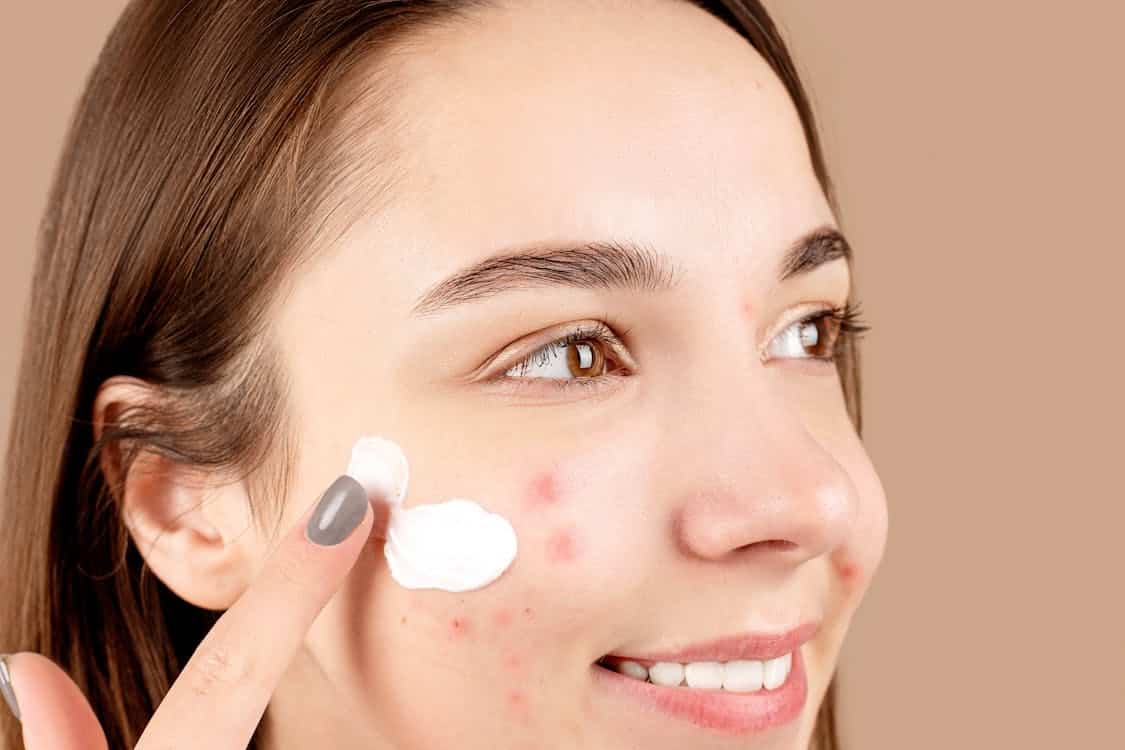
Acne can leave marks that range from faint color changes to deep textural shifts in the skin and those traces can affect mood and self image. Knowing what kind of scar you are dealing with makes a huge difference when choosing care and treatment paths that work.
Many scars respond to a blend of topical routines and office procedures while some need more targeted methods to alter skin structure. Keep a pragmatic view and pick steps that suit your skin tone, skin type and daily life demands.
Boxcar Scars
Boxcar scars present as wider, round or oval depressions with sharp vertical edges and they give the skin an uneven, pitted look. The edges make them more amenable to modalities that resurface or fill the missing tissue in a controlled way.
Treatments such as fractional lasers, chemical peels and fillers work to soften edges and lift shallow depressions over several sessions. Combining approaches often produces a smoother finish than a single method on its own.
Rolling Scars
Rolling scars have a wave like contour created by bands of fibrous tissue that pull the surface down and they can make the skin look uneven from a distance. Subcision is a technique that severs those tethering bands so the skin can lift and settle more evenly and it often pairs well with microneedling to stimulate collagen.
Microneedling creates a controlled injury response that prompts collagen remodeling while being gentler than deep lasers for many skin tones. Timing and spacing of sessions influence how natural and even the result appears.
Ice Pick Scars
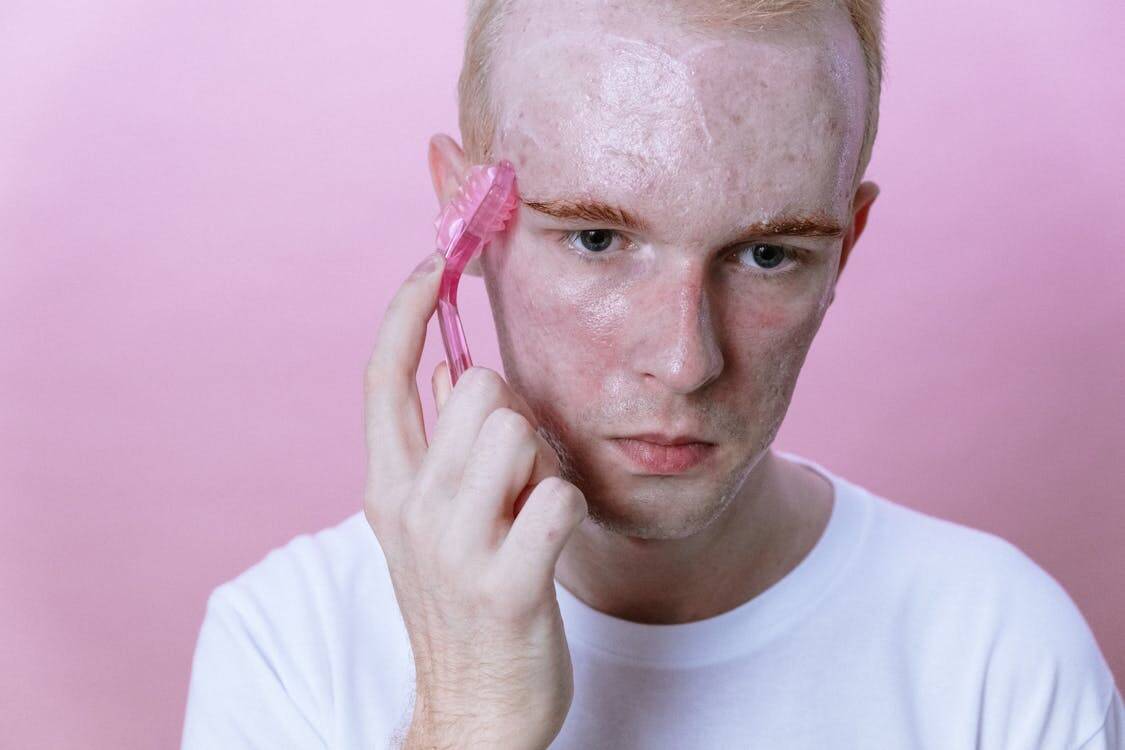
Ice pick scars are narrow, deep pits that look like small holes in the skin and they often form after severe, inflamed acne. These scars cut into the dermis so surface creams rarely reach the base where the damage sits and so they can be stubborn.
Small punch excision by a trained clinician and certain resurfacing lasers aim to remove or remodel the scar tissue while encouraging new collagen in its place. Home care can support healing but is not a shortcut to deep scar repair.
Atrophic Scarring Overview
Atrophic scars refer to any depressions caused by lost tissue and they include ice pick, boxcar and rolling types as variations on the same theme. The general aim for atrophic scars is to replace lost volume or to drive structural change through new collagen production.
Different tools enlist different biological responses so a tailored plan often yields better harmony between texture and tone. A thorough skin evaluation helps set expectations and guide which mix of topical care and procedures fits best.
Hypertrophic And Keloid Scars
Hypertrophic scars rise above the skin and stay within the wound boundary while keloid scars grow beyond the original area in a more aggressive way. These scars are caused by an overzealous repair response and they can itch, burn or alter the local contour of the skin.
Common treatments include steroid injections to soften the tissue and pressure therapies or silicone sheeting to modulate the healing environment. Some cases benefit from surgical removal with careful follow up to lower the odds of regrowth.
Post Inflammatory Hyperpigmentation
Dark spots left after acne are not structural scars but color changes that can look like scarring until the texture is restored and they often fade with time. Topical agents that reduce pigment production and promote skin turnover help clear marks more quickly while broad spectrum sun care reduces further darkening.
Chemical peels and certain light based therapies can accelerate fading in many skin tones when applied with care. Patience matters because pigment response unfolds over weeks and sometimes months.
Topical Treatments And Skincare
Daily care lays the groundwork for any corrective approach and helps keep skin healthy while interventions take effect. Gentle cleansing, consistent sun protection and targeted actives such as retinoids and certain acids promote cell turnover and support collagen synthesis at the surface.
Over the counter products can soften texture and reduce redness but may not reach deep troughs where some scars live. Working with a clinician helps align product choices with procedures to avoid irritation while maximising benefit.
Procedural Options
Office procedures span controlled abrasion, thermal resurfacing and mechanical methods that remodel skin structure and texture using precise energy or instrument based approaches. Fractional lasers create tiny columns of thermal injury that stimulate repair in surrounding tissue while leaving islands of intact skin to speed recovery and reduce risk.
Chemical peels remove upper layers to reveal smoother skin beneath and vary by depth and chemical agent selected for skin type and concern. When evaluating advanced resurfacing methods, many patients look to Brisbanes leading acne scar treatment clinics for personalised plans that balance visible improvement with manageable downtime.
Each technique carries trade offs in downtime and visible progression so planning and stepwise treatment help manage expectations.
Injectables And Fillers
Dermal fillers provide a fast way to replace lost volume in depressed scars and they can lift the surface while smoothing transitions between scar edges and surrounding skin. Many filler materials are temporary so repeat sessions maintain the effect while some stimulate new collagen to create longer term improvement.
Steroid injections reduce raised scar tissue and are a mainstay for hypertrophic and keloid management, often given at intervals to soften the area. A measured plan can pair fillers and scar softening to craft a look that blends with the face.
Prevention And Aftercare
Timely care of active acne reduces the risk that scars will form and early attention to healing skin moderates how the repair process unfolds. Avoid picking or squeezing lesions because trauma increases inflammation and the chance of permanent change in texture or pigment.
After procedures, sun protection and gentle care support recovery and help maintain gains from treatment sessions while the skin rebuilds. Open communication with a clinician about goals, tolerance for downtime and follow up care keeps progress on track and helps adapt the plan when the skin speaks.