Hard water often appears as scale on faucets and a film on skin and hair. Homeowners frequently ask whether a water filter will solve that problem or simply cover it up. Different filter technologies target different issues so some remove the minerals that cause hardness while others do not. Choosing the right approach rests on …
Hard water often appears as scale on faucets and a film on skin and hair. Homeowners frequently ask whether a water filter will solve that problem or simply cover it up.
Different filter technologies target different issues so some remove the minerals that cause hardness while others do not. Choosing the right approach rests on the measured hardness level and the results you want for drinking water and household appliances.
What Is Hard Water
Hard water contains elevated levels of dissolved minerals, most often calcium and magnesium, which come from natural contact with rocks as water travels through the ground.
Those minerals do not pose a major health threat for most people, yet they create deposits that build up on plumbing, fixtures, and heating elements over time. Scale formation reduces flow and can shorten the life span of water heaters and other household equipment, which leads to higher running costs.
Simple tests and local utility data can reveal whether the water in your area carries a low, moderate, or high hardness load. In fact, over 60% of Texas groundwater exhibits moderate hardness, making treatment solutions especially relevant for many households in the region.
How Hard Water Affects Home And Health
Hard water can make soaps and detergents less effective so more product is used to get the same result, and that effect shows up in clothing that looks dull and towels that feel stiff. Appliances that heat water suffer from deposits that act like insulation on coils and elements, so they use more energy and fail sooner than clean systems.
Skin and hair sometimes feel dry or coated due to mineral residue that interferes with lather and rinsing, and consumers often reach for stronger cleansers to chase a fresh feeling. For people with certain dietary or medical restrictions drinking water mineral content might matter, so a healthcare professional is the right person to ask about individual risk.
Types Of Water Filters And Their Capabilities
There are several mainstream filter types available for household use, and each has a distinct role to play in water quality management, from sediment screens that trap dirt to carbon blocks that remove chlorine and taste compounds.
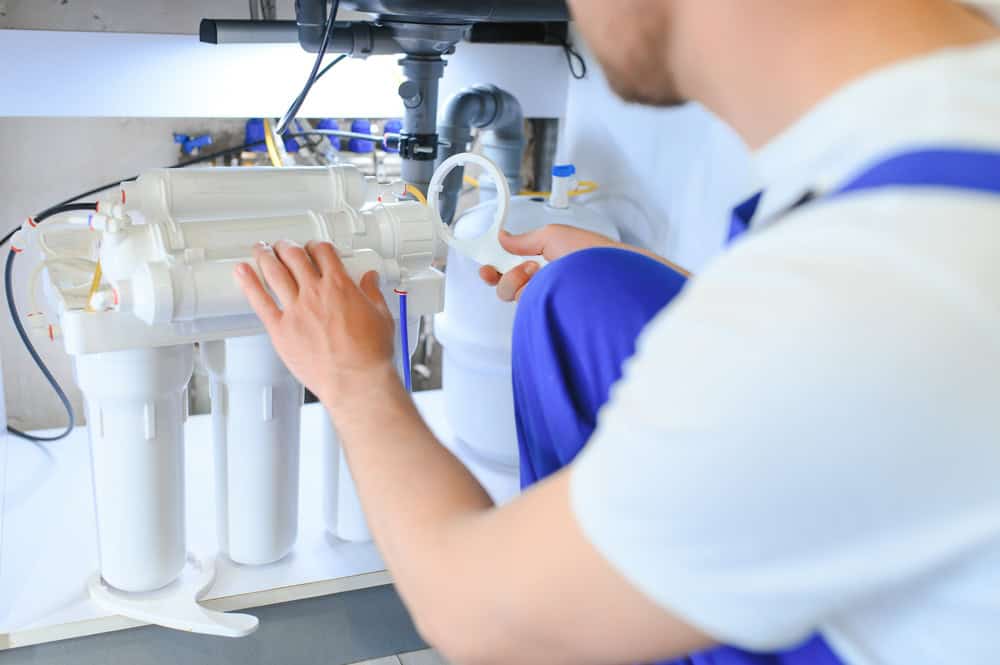
Reverse osmosis systems push water through tight membranes and can remove a wide range of dissolved solids, including many minerals that cause hardness, while ion exchange units swap hardness ions for sodium or potassium in the water and therefore act as softeners.
Some multi stage setups combine technologies so point of use water tastes clean and is low in minerals while point of entry systems protect pipes and appliances from scale. Picking a system that addresses the specific mix of contaminants and hardness levels found in your water brings the best value for money.
How Carbon Filters Perform Against Hard Water
Carbon based filters excel at improving taste, removing chlorine, and capturing many organic compounds that affect odor, yet they do not remove calcium and magnesium ions that cause hardness. If the problem you notice is a metallic or chemical taste, a carbon filter can make a dramatic difference at the kitchen tap and is a low maintenance option for that use.
For scale reduction and protection of heaters and boilers, carbon alone leaves the core issue untouched and deposits will continue to form where minerals precipitate out. Many households pair carbon filtration with softening or pre treatment steps so drinking water is pleasant while plumbing receives protection from scale.
How Reverse Osmosis Handles Hard Water
Reverse osmosis reduces a broad spectrum of dissolved solids and can deliver very low mineral water for cooking and drinking, which suits people who want a neutral taste profile and a high level of contaminant removal.
Heavy hardness loads challenge RO membranes, however, and systems that treat such water often require pre treatment to remove particulates and to reduce scale forming compounds so that membrane life is acceptable.
RO units waste some water and operate more slowly than direct flow devices, a trade off that homeowners weigh against the benefit of highly purified water for a single tap. For whole house service RO setups are rare because of flow needs and waste volumes, and so people often combine a house softener with a point of use RO at the kitchen sink.
Water Softeners Versus Filters
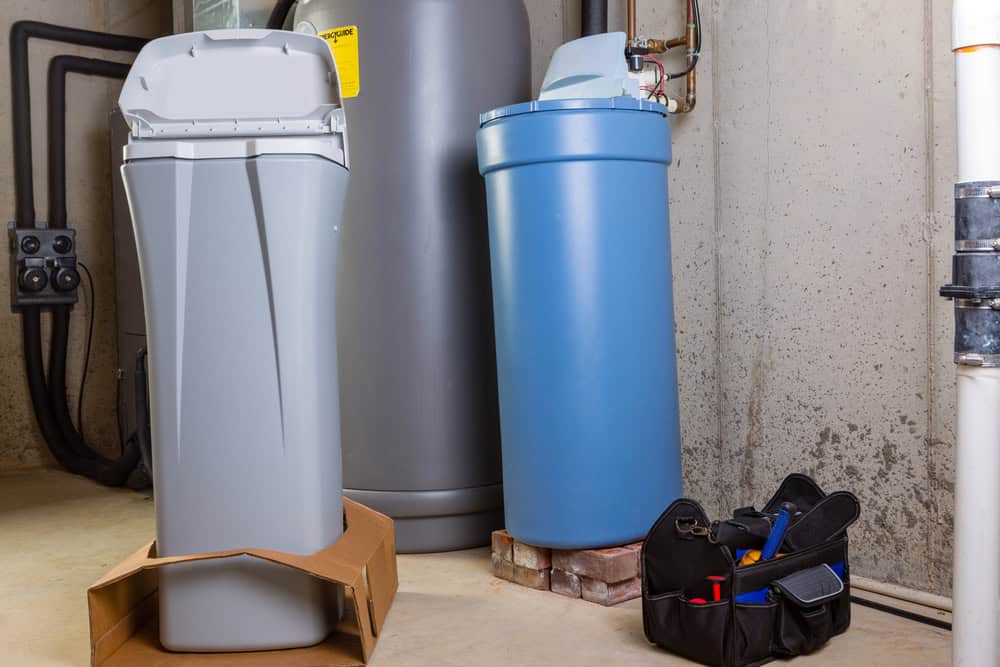
Water softeners remove hardness by exchanging calcium and magnesium ions for sodium or potassium in a process that prevents scale formation in plumbing and appliances, while many common filters remove taste and chemical contaminants without changing mineral levels.
Because they address different problems, softeners and filters often sit side by side in a layered treatment plan so the entire house avoids scale and the drinking tap provides high quality tasting water.
A few systems integrate both functions into a single footprint, but those tend to be more complex and require careful sizing and servicing to perform well over time. Homeowners should check appliance requirements and local plumbing codes as some warranties and regulations have rules about treated water chemistry.
How To Test For Hard Water
Testing can be as simple as using test strips purchased online or at a hardware store that change color to show hardness in parts per million, or as precise as sending a sample to a lab for a full mineral analysis to get a clear numerical result.
A quick at home check uses a clean bottle, a small amount of soap, and a vigorous shake to see whether suds form easily or if cloudy residue appears, which gives a rough sense of mineral interference.
Local water utilities normally publish hardness readings for municipal supplies, and private well owners can request a lab report to know exactly what they are dealing with. Having a reliable number for grains per gallon or parts per million takes much of the guesswork out of choosing the right treatment.
Maintenance And Long Term Costs
Every technology brings ongoing obligations, so softeners need periodic salt or potassium refills and system checks while filters require regular cartridge swaps and membranes have a finite life that calls for replacement over months or years.
Initial purchase and installation often represent the biggest outlay, but running costs such as salt, electricity, replacement parts, and the water used in regeneration or waste streams add up and are worth budgeting for.
Over time reduced appliance failures, lower detergent usage, and fewer service calls can offset some of those costs, creating a return on investment that shows up as lower operating bills and longer equipment life. Planning routine inspections and keeping a service log helps catch small problems early before scale or clogging turns into a costly repair.
Practical Tips For Reducing Hard Water Impact
Simple household steps include running a vinegar soak on kettles and shower heads to remove scale, using water softening tablets in appliances where appropriate, and choosing detergents formulated to perform well in higher mineral conditions.
Installing a whole house softener protects plumbing and large appliances while a dedicated point of use filter or reverse osmosis system at the kitchen sink supplies water that tastes and cooks better.
Adjust water softener regeneration settings and salt type to strike a balance between performance and operating cost, and track usage so treatment only runs when it is needed. Start with targeted fixes for the worst pain points and expand treatment as the data and results show where additional investment brings real benefit.