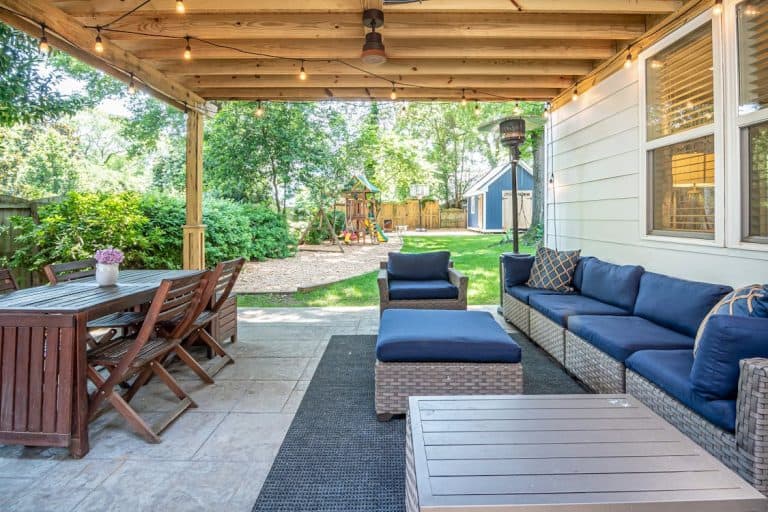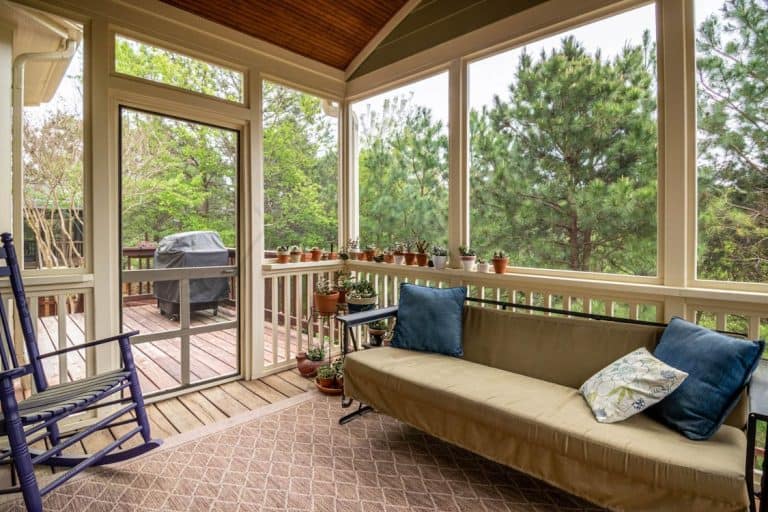
Timber decking appeals to a wide range of people because it blends visual charm with down to earth practicality. Many homeowners notice how warm wood tones change with light and season, offering a living backdrop for outdoor life. Beyond looks there is an everyday comfort underfoot and a sense of connection to the natural world …
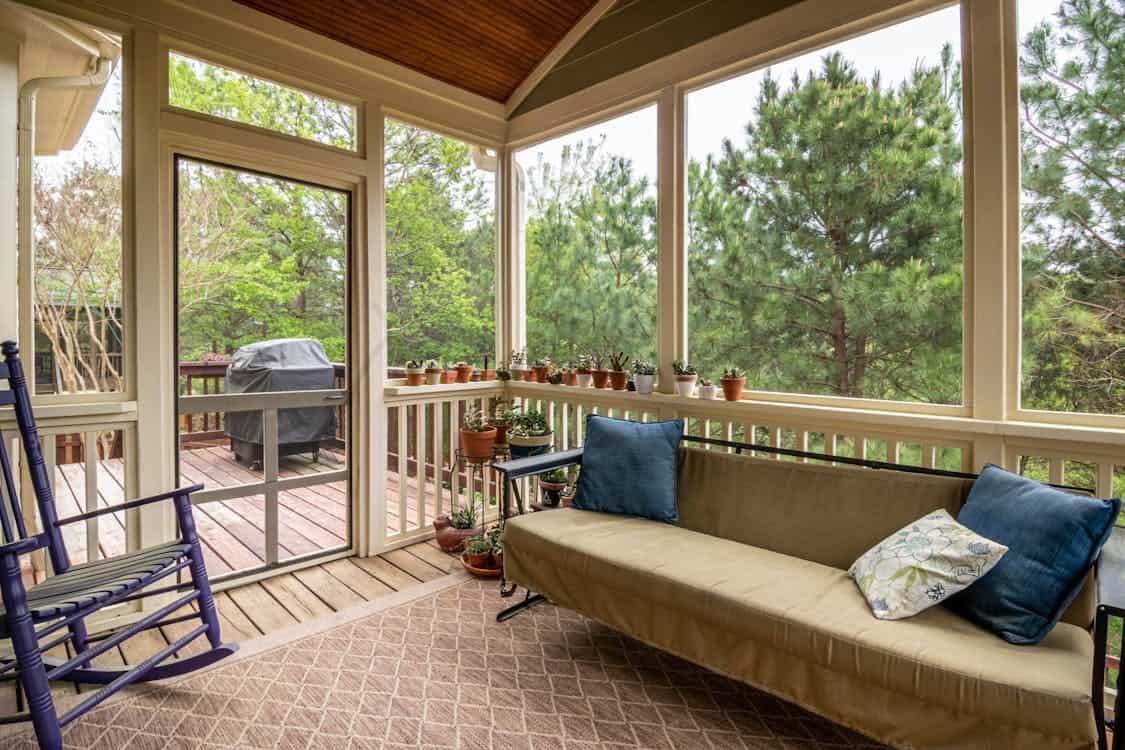
Timber decking appeals to a wide range of people because it blends visual charm with down to earth practicality. Many homeowners notice how warm wood tones change with light and season, offering a living backdrop for outdoor life.
Beyond looks there is an everyday comfort underfoot and a sense of connection to the natural world that other materials rarely match. The following sections outline the main drivers behind timber decking choices and how those traits play out in real settings.
Aesthetic Appeal And Natural Warmth
Timber decking brings an organic look that softens hardscaped yards and links house to garden in a natural way. Grain patterns and a palette of honey, bronze, and deep chestnut allow each deck to feel unique while blending with plants and stone.
Over time wood develops character as it weathers, giving a familiar place a lived in charm that photos cannot capture. People often say a timber deck makes outdoor rooms feel like an extension of the home rather than a separate zone.
Durability And Longevity
Good timber species resist rot and insect attack when selected and treated correctly, which helps a deck last for decades. Properly installed boards shed water and dry out quickly, lowering the risk of decay and costly repairs.
Regular maintenance extends life further and lets small issues be handled before they grow into serious problems. With the right choices a timber deck is not short lived but instead becomes a long term asset.
Low Maintenance Compared To Alternatives
Many homeowners find that timber decks need less fuss than they had imagined, with a straightforward cycle of cleaning and occasional oiling. Surface dirt and algae respond to a brisk wash or a soft brush and mild detergent, restoring the look without special chemicals.
Narrow gaps between boards promote drainage and air flow which reduces trapped moisture and the need for heavy handed treatments. When a board does wear it can often be sanded or replaced without changing the whole structure.
Eco Friendly Options And Sustainability
Timber offers an attractive eco friendly profile where responsibly grown wood comes from managed forests and renewable supplies. Certified timbers make it possible to build with a lower carbon footprint than many man made alternatives, and wood can be reclaimed or recycled at the end of its life.
Choosing local species cuts transport impacts and supports regional forestry practices that plan for future harvests. In short timber can be part of a careful approach to building outdoors that respects resources.
Versatility In Design And Layout
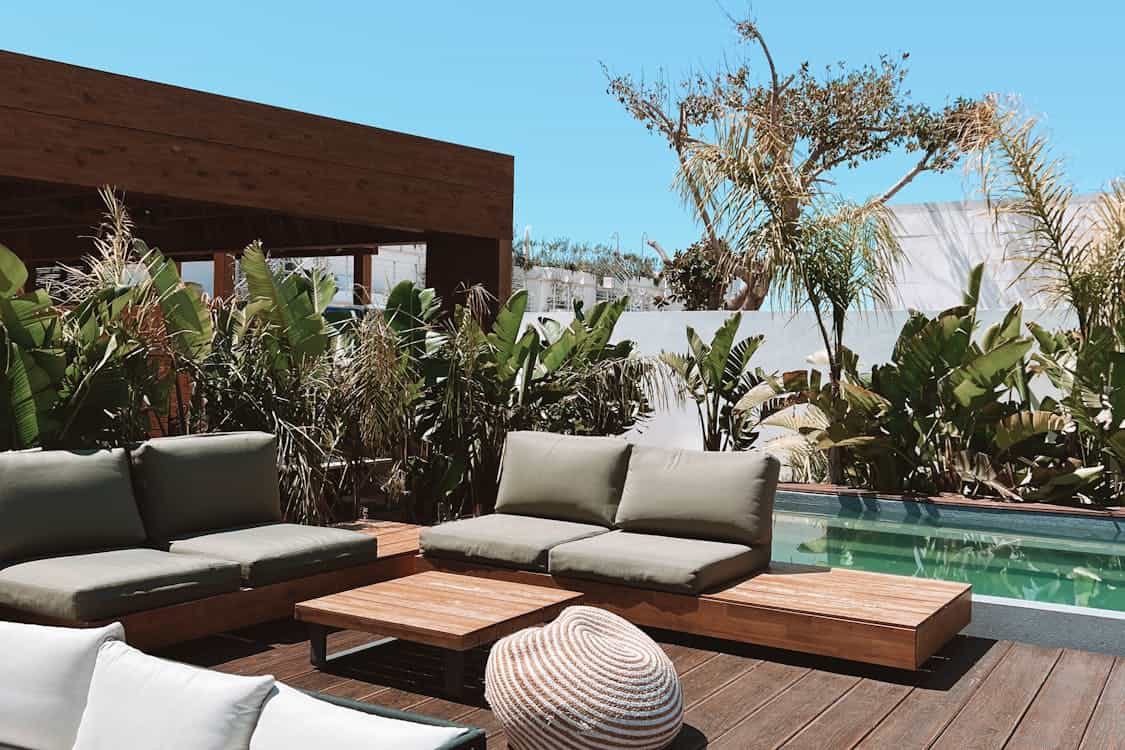
Decking made from timber adapts to a wide range of styles from neat modern platforms to curving cottage style porches and layered terraces. Boards can be laid straight, angled, or in patterns to guide movement, frame views, and create subtle dividers for separate areas.
Rails, benches, planter boxes, and steps are easy to integrate so the deck becomes a multifunctional patch of outdoor real estate. That design flexibility makes timber a popular option for both simple upgrades and full backyard overhauls.
Comfort And Safety For Households
Wood has sensible thermal behavior so it does not turn overly hot in sunshine, which keeps bare feet comfortable and reduces the chance of burns. The natural texture of timber gives a grip that helps prevent slips when surfaces are damp, and minor surface wear is often less visible than on rigid materials.
Sound wise a timber deck absorbs impact better than many hard coverings, making social gatherings feel less echoing and more relaxed. For family use the combination of warmth, grip, and forgiving surface is an appealing mix.
Cost And Return On Investment
Initial costs vary by species and finish but timber decks generally offer a clear value proposition, striking a balance between price and performance. When a deck is well matched to a property it can widen living space and enhance appeal to potential buyers which is often reflected in a higher asking price.
Repairs or upgrades can be staged over time so homeowners spread expense rather than facing a large outlay at once. For many people timber is an effective way to add functional outdoor area without breaking the bank.
Ease Of Repair And Refitting
Individual timber boards and rail components are straightforward to replace if they suffer damage or wear, which keeps long term upkeep manageable. Sanding and refinishing are common ways to refresh a deck, and these tasks can take a tired surface back to a near new look.
Frames built in a thoughtful way leave access for hidden fasteners and easier screw replacements, so small faults do not escalate. This modular quality makes timber decks resilient in everyday life when furniture shifts, plant pots get moved, and weather has its say.
Popular Timber Species For Decking
Several timbers are well suited to outdoor use, each with its own character in texture, color, and durability. Native hardwoods often resist decay naturally and present fine grain that looks smart over time, while some plantation grown softwoods perform very well when treated and installed correctly.
Exotic hardwoods are prized for density and deep hues but require a careful eye on sourcing to keep options sustainable. Many homeowners compare grades and availability through trusted timber suppliers in Melbourne to ensure the species they choose suits both climate and budget.
Maintenance Tips For Longevity
A rule of thumb for deck care is to keep leaves and debris clear so moisture does not linger and cause soft spots to form. Periodic washing followed by inspection of screws and joints catches early movement before it becomes a hazard or leads to rot under the surface.
Treatments such as oils or sealers restore color and add a protective layer, and reapplication cycles depend on exposure and product choice. Small, steady tasks often prevent large repairs later and keep a timber deck working well for years to come.