
Plumbing problems can turn a small annoyance into a household emergency in the blink of an eye. When water fails to flow or foul smells appear, acting early saves time and spares a lot of frustration. Homeowners who spot warning signs should reach out to a qualified plumber before damage spreads. The items below highlight …

Plumbing problems can turn a small annoyance into a household emergency in the blink of an eye. When water fails to flow or foul smells appear, acting early saves time and spares a lot of frustration.
Homeowners who spot warning signs should reach out to a qualified plumber before damage spreads. The items below highlight common drain failures that call for swift professional attention.
1. Severe Clogs From Grease And Food
When grease and food particles collect in a kitchen line, they congeal into thick masses that trap more debris with every use. A sink that fills quickly after a wash and then drains slowly is often signaling a heavy blockage hiding just beyond the trap.
Attempting to clear these masses with store bought chemicals risks damage to pipes and poor results that return repeatedly. A plumber brings the right tools and methods to remove the blockage and inspect the pipe for soft spots that hint at a more serious problem.
Persistent clogging after a mechanical cleaning suggests a failing section of pipe or an obstruction further down the run. A professional assessment including a camera inspection finds the exact location and character of the build up so repairs target the real cause.
When repairs are made early the odds of needing a long run of replacement pipe drop and the cleanup after repairs is less extensive. With grease left unchecked the issue can return, so a short conversation about proper disposal habits prevents repeat calls.
2. Tree Root Intrusion Into Sewer Lines
Roots push toward moisture and nutrients and will exploit even the smallest crack or joint in an underground sewer pipe. Homeowners may notice slow drains in multiple fixtures, gurgling in toilets, or wet patches in a yard that suggest an invasive root mass.
When a root system grows inside a pipe the first clean out may feel like success only to watch growth reappear within months. Consulting a licensed tradesperson helps plan long-term solutions and reduces the chance of repeat root intrusions.
Plumbers can use targeted cutting tools and camera work to remove roots and recommend whether a section of pipe needs to be replaced with a more durable material.
Ignoring roots lets the problem progress from partial block to near total collapse of a pipe, producing sewage seepage and costly excavation work later on. Modern repairs range from spot replacement to trenchless methods that insert a new liner, limiting surface disruption to yards and driveways.
A timely appointment prevents larger repairs that disrupt daily life and raise restoration costs. Local knowledge of tree species and root behavior helps technicians propose long lasting remediation.
3. Sewage Backups Into Fixtures
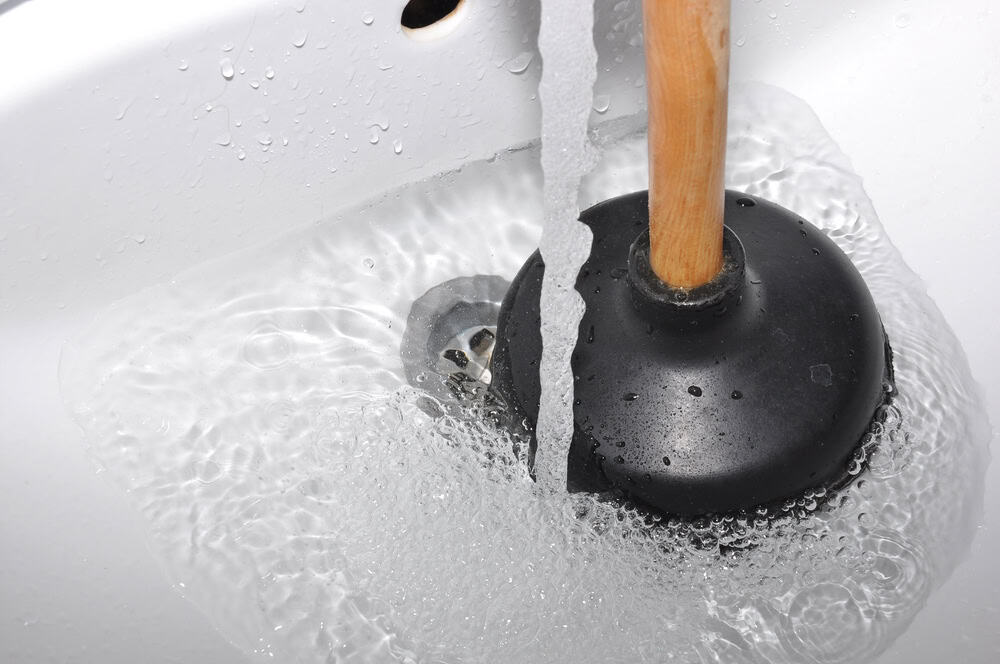
Sewage pushing back into showers, tubs, or sinks is a sign that the sewer system is overloaded or obstructed and must be addressed right away. Raw sewage presents health hazards and can damage flooring, drywall, and personal belongings within a short window of time.
A professional plumber will identify whether the backup stems from a shared municipal main, a collapsed private line, or a blocked clean out and take steps to clear and disinfect affected areas. Waiting only increases the volume of contaminated water that must be removed and the expense of restoration.
When backups are frequent the underlying line may be compromised by sagging sections or intruding roots that trap solids and restrict flow. A camera inspection reveals whether a repair, full replacement, or external work with the city is required.
Technicians also advise on short term containment and safe cleanup steps that limit exposure to pathogens. Quick decisive action reduces the potential for long term structural harm and recurring headaches.
4. Multiple Fixtures Slow To Drain Suggest Main Line Blockage
If sinks, tubs, and toilets all drain slowly at the same time the trouble often sits in a shared main line rather than in an isolated trap. When the main sewer line is partially blocked wastewater from several points finds it hard to exit, creating a house wide drainage problem.
The most reliable way to locate and clear mains uses power rodding or hydro jetting accompanied by a camera run to confirm cleanliness. Professionals also check the slope and connections to ensure the main does not have structural faults that will bring the same problem back.
Homeowners sometimes try hand augers or liquid products that provide temporary relief but leave behind residues and partial obstructions. Repeat clogs after such efforts hint that a deeper clearing is needed to restore full capacity.
A proper flush out returns the line to near new flow rates and lowers the chance of sudden major failures. When a technician assesses the entire system owners gain a plan to avoid emergency calls and keep daily routines running smoothly.
5. Persistent Foul Odors And Gurgling Sounds
Foul odors near drains or toilets and audible gurgling are not signs to ignore since they indicate trapped gases or trapped water seals that have failed. When a trap dries out or a vent is blocked sewer gases find a path into living spaces, creating a health and comfort issue that needs a fix.
A plumber inspects traps, vents, and seals and can clear bird nests, debris, or ice that block venting pipes above the roof. Repairing or restoring proper venting stops the odor and eliminates pressures that make water move unpredictably in other fixtures.
Gurgling sounds often show that air cannot flow freely through the vent system and is being pulled through drain traps instead of escaping as intended. That action can siphon water out of traps and allow smells to enter the home or let slow drainage get worse over time.
Experienced technicians diagnose whether simple repairs will do the job or whether more involved venting work is required. Solving the vent problem restores quiet drains and keeps the indoor environment safe for daily life.