A landmark study tracking more than 100,000 Queenslanders diagnosed with invasive melanoma has found that the long-rising rate of second primary melanomas has, for the first time in decades, begun to level off. It's a rare piece of genuinely encouraging data out of the state with the world's highest melanoma incidence. What forty years of …
A landmark study tracking more than 100,000 Queenslanders diagnosed with invasive melanoma has found that the long-rising rate of second primary melanomas has, for the first time in decades, begun to level off. It’s a rare piece of genuinely encouraging data out of the state with the world’s highest melanoma incidence.
What forty years of data actually shows
The research, published in the Journal of Investigative Dermatology, examined 101,035 Queensland residents diagnosed with invasive melanoma between 1982 and 2022. Among people diagnosed between 1982 and 1991, 5 percent developed a second primary melanoma within ten years. That figure peaked at 8 percent for the 2002 to 2011 cohort before easing to just over 7 percent for those diagnosed between 2012 and 2022.
Across the full 40-year window, researchers found a one in six likelihood of a second primary invasive melanoma diagnosis, and people with a prior melanoma face roughly five times the risk of a fresh diagnosis compared with the general population.
The scale of the cohort is what gives the findings weight. A study spanning four decades and over 100,000 individuals is rare in dermatology research, and it let researchers track subtle shifts in risk that shorter studies would likely have missed entirely.
Why the plateau happened now
Lead researcher Professor Mark Smithers attributed the shift to the cumulative effect of decades of sun safety campaigns combined with improved surveillance and earlier detection. The plateau in second primary rates also coincides with Queensland’s demographic changes, including population growth from lower-risk migrant groups.
It’s a useful reminder that population-level prevention campaigns, the kind that can feel repetitive after decades of “slip, slop, slap” messaging, do eventually show up in the data, even if the effect takes a generation to become visible.
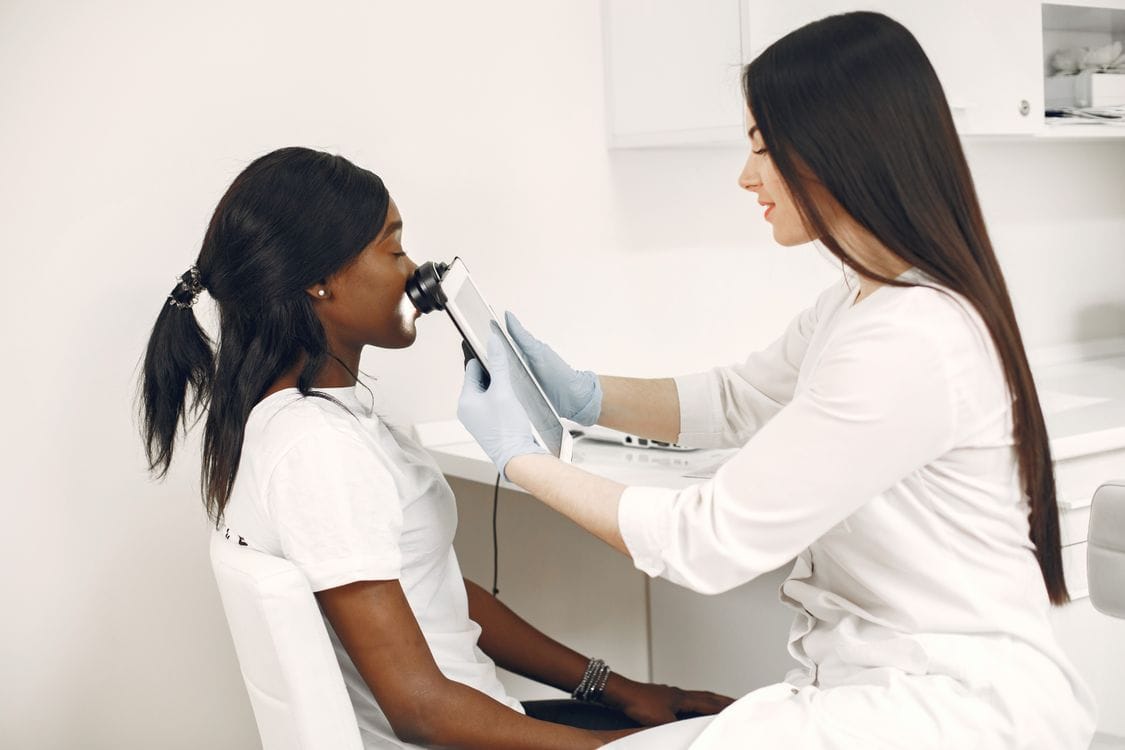
Improved surveillance technology deserves credit too. Digital dermoscopy and photographic mole mapping, both far more common in Queensland clinics now than a decade ago, let clinicians catch second primary melanomas at a much earlier and more treatable stage than was routinely possible during the earliest cohort in the study.
What this means for ongoing monitoring
The five-times elevated risk for people with a prior melanoma is the more actionable figure for patients and clinicians. It reinforces long-standing advice that anyone with a melanoma history needs structured, ongoing surveillance rather than a one-off clearance check.
Recall intervals vary depending on individual risk factors, but the study’s findings support the general principle that surveillance frequency shouldn’t simply taper off once a patient is a few years clear of their original diagnosis, given that risk remains meaningfully elevated well beyond the initial follow-up period.
Clinics providing Dermatology Clinics Australia skin cancer monitoring for previously diagnosed patients are effectively the front line for catching the second-primary cases the study describes, since early detection at this stage relies almost entirely on scheduled surveillance rather than patient-initiated concern.
That distinction matters clinically. A patient waiting to notice a new or changing lesion themselves is relying on a much less reliable detection method than a clinician comparing sequential dermoscopic images taken months apart, which is precisely why structured recall schedules exist for anyone with a melanoma history.
The plateau is good news, but the study’s authors are careful to frame it as a stabilisation rather than a reversal. Queensland’s baseline melanoma incidence remains the highest recorded anywhere in the world, and a one in six lifetime risk of recurrence is still a substantial number for the tens of thousands of Queenslanders currently living with a melanoma diagnosis in their history. Forty years of data finally moving in the right direction is worth noting. It isn’t a reason to relax the surveillance schedules that likely helped produce the plateau in the first place.