Ex-Tropical Cyclone Alfred gave southeast Queensland and northern New South Wales a prolonged lesson in how weather risk is experienced at property level. On the Gold Coast, the event brought damaging wind, heavy rain, power failures and severe coastal erosion. It also exposed the gap between knowing that a region faces natural hazards and understanding …
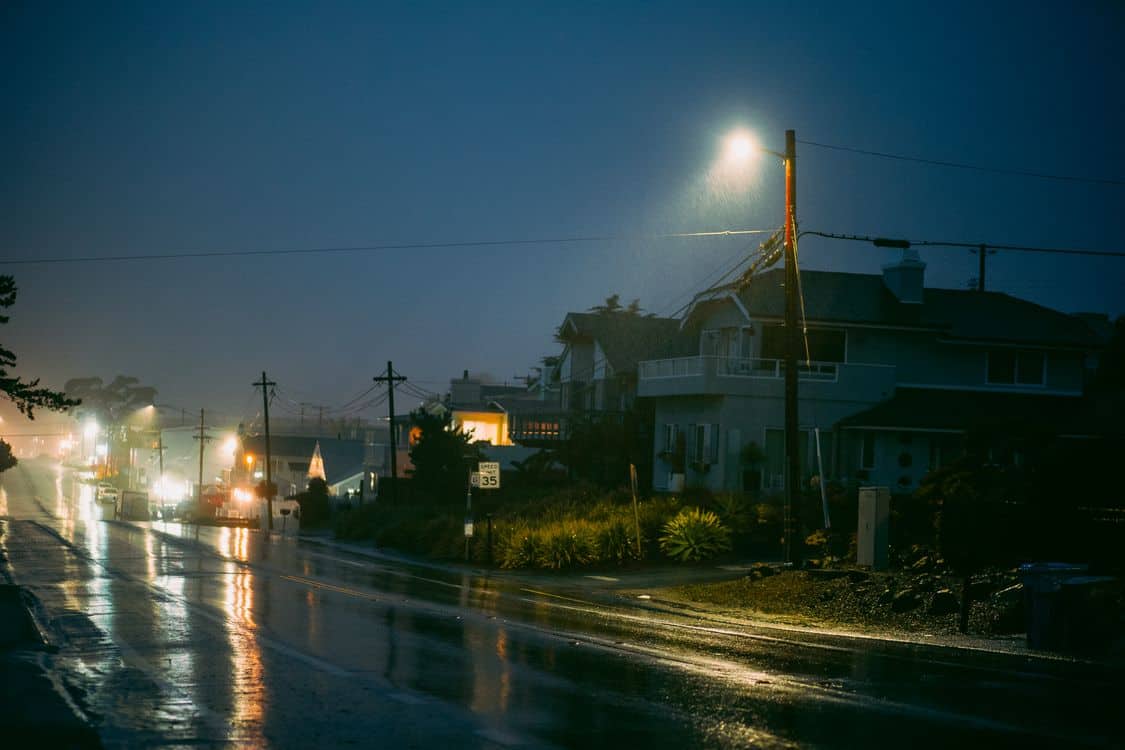
Ex-Tropical Cyclone Alfred gave southeast Queensland and northern New South Wales a prolonged lesson in how weather risk is experienced at property level. On the Gold Coast, the event brought damaging wind, heavy rain, power failures and severe coastal erosion. It also exposed the gap between knowing that a region faces natural hazards and understanding the vulnerability of one address.
A weather event does not make every property in an affected city equally risky. Floor level, drainage, construction, surrounding terrain, access roads and insurance terms can produce very different outcomes within the same suburb.
An experienced Gold Coast Buyers Agent can help identify the local questions worth pursuing, but flood, building and insurance decisions still need evidence from council records, qualified inspectors and the buyer’s chosen insurer.
A Suburb Name Is Too Blunt to Describe Flood Risk
The City of Gold Coast states that the city is susceptible to flooding and provides flood maps that identify affected areas. Buyers can also purchase a flood-level search report and review whether the City Plan Flood overlay code applies to the land.
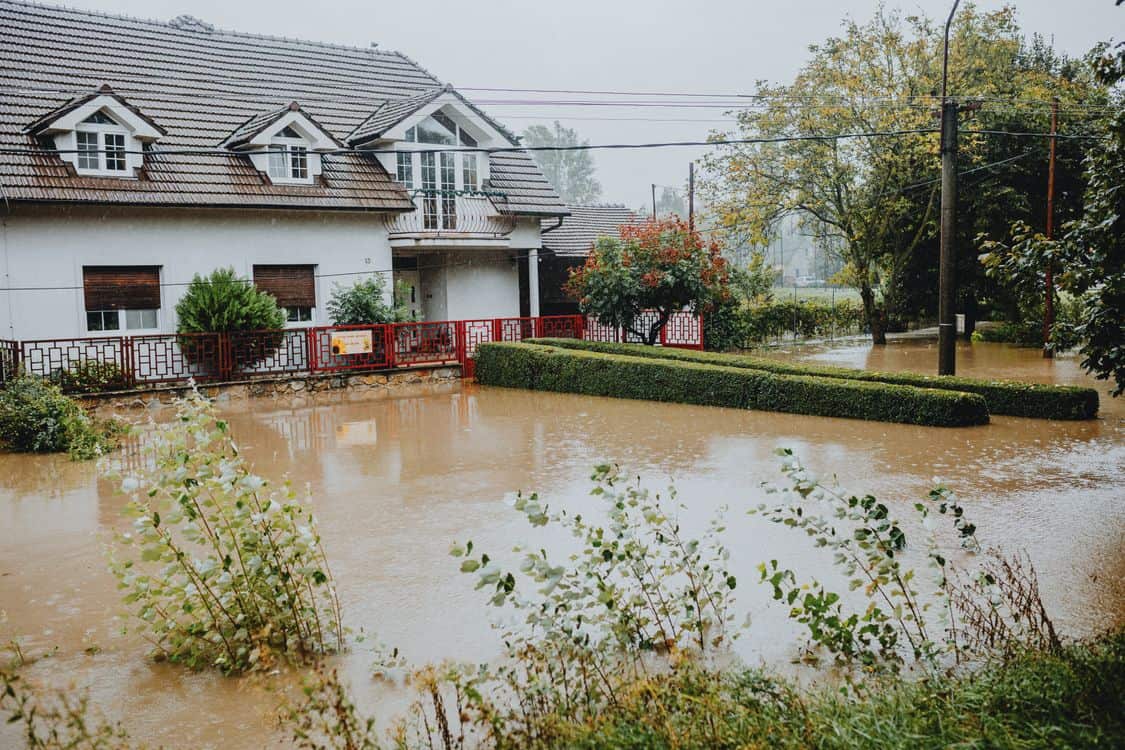
That work needs to happen at the property level. A listing may sit in a suburb that experienced flooding while the individual lot remained above the relevant level. The reverse is also possible: a generally desirable pocket can contain a low point, overland-flow path or access route that becomes difficult during heavy rain.
Maps are the beginning rather than the entire answer. Buyers should consider finished floor levels, garages and storage areas, drainage, retaining structures and whether occupants can safely enter or leave during an event. Renovations may also have altered how water moves through the site.
Insurance Availability Is Part of Affordability
A mortgage calculation usually begins with the purchase price, deposit and interest rate. In a hazard-exposed location, the insurance quote belongs in that calculation before the contract becomes unconditional.
Premiums and exclusions can differ between insurers because each uses its own models, definitions and underwriting rules. One quote is not enough to establish that a property is straightforward to insure. Buyers should check the treatment of riverine flooding, stormwater, actions of the sea, storm surge and temporary accommodation rather than assuming the word “flood” covers every water-related loss.
Past claims also deserve attention where information is available. Repaired damage is not automatically a reason to reject a home, but the buyer should understand what occurred, who completed the work and whether the cause was addressed. A fresh interior can conceal rather than resolve a moisture problem.
Post-Alfred Due Diligence Should Stay Evidence-Based
Major weather events often create two unhelpful reactions. Some buyers dismiss the risk because the worst damage happened elsewhere, while others write off entire suburbs. Neither approach accounts for the physical differences between properties.
A more useful process combines council mapping, property searches, an insurance quotation and a building inspection informed by the site. In an apartment building, the review may also include body corporate records, insurance history, basement exposure, emergency power and previous water ingress.
Cyclone Alfred made natural-hazard risk visible, but the lesson is broader than one storm. Buyers cannot control the weather after settlement. They can decide how much uncertainty to accept, what information to obtain and whether the purchase price reflects the property’s actual exposure.