Improving skin texture can be realistic for many people who want results without going under the knife. A thoughtful blend of consistent home care and periodic clinical treatments tends to move the needle in visible ways over weeks and months. Small deliberate habits such as smarter exfoliation, targeted actives and therapies that stimulate collagen can …
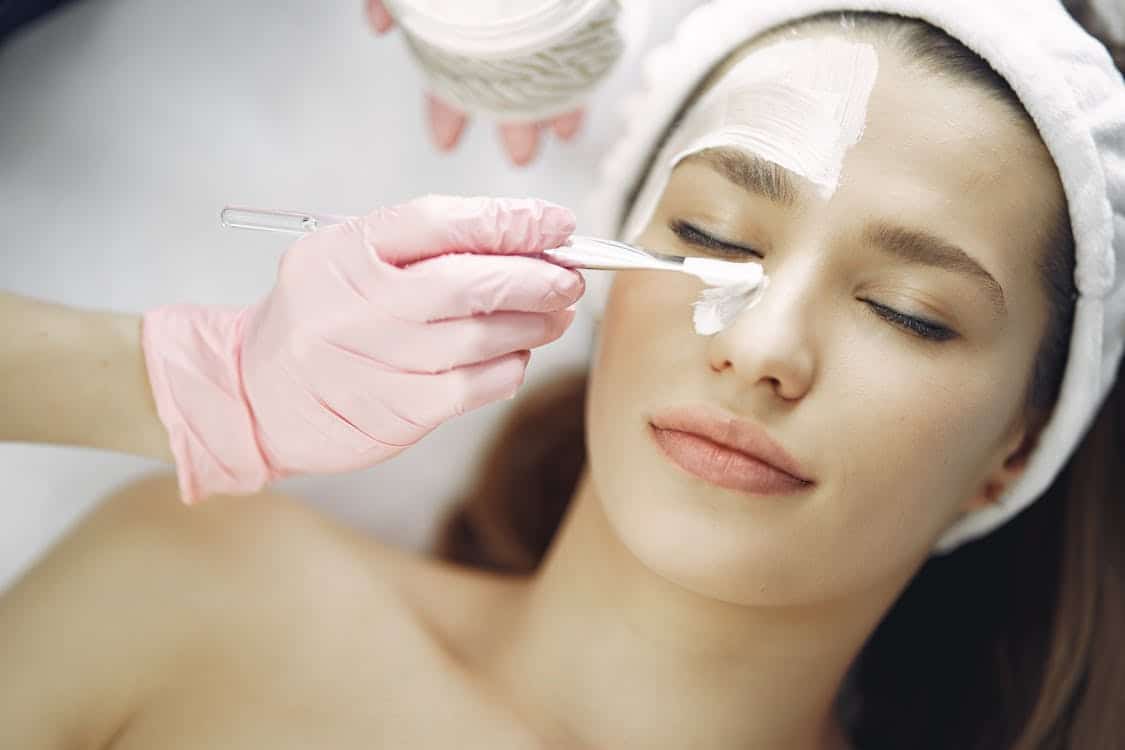
Improving skin texture can be realistic for many people who want results without going under the knife. A thoughtful blend of consistent home care and periodic clinical treatments tends to move the needle in visible ways over weeks and months.
Small deliberate habits such as smarter exfoliation, targeted actives and therapies that stimulate collagen can transform rough or uneven skin into a smoother surface. The sections that follow outlines practical, accessible approaches for a range of budgets and skin types.
Skincare Routine Foundations
A reliable daily routine lays the groundwork for any effort to refine texture and tone, because healthy skin responds better to treatments. Start with a mild cleanser that removes makeup and grime yet preserves natural oils, and follow with a moisturizer that matches your skin type to keep the barrier intact.
Sun protection is essential to prevent further roughness from ultraviolet damage, so wear a broad spectrum sunscreen every day and reapply if you are spending meaningful time outdoors. Over weeks, consistency in simple steps often produces steadier and more lasting gains than chasing quick fixes.
Proper Cleansing And Hydration
Over cleansing strips the barrier and can leave texture worse than where you began, so aim for balance rather than excessive washing. Use lukewarm water and gentle motions when you cleanse, and pat the skin dry to avoid friction that sparks irritation.
Hydrating ingredients such as hyaluronic acid and glycerin pull moisture into the surface while humectants paired with an occlusive at night help repair and seal in hydration. When the skin is well hydrated, it tolerates active ingredients better and surfaces that once looked rough tend to soften with regular care.
Exfoliation Techniques
Exfoliation removes dead cells that create a dull, bumpy finish, and the trick lies in choosing the method that fits your skin. Physical scrubs can work for some, but many people achieve smoother results with chemical exfoliants such as alpha hydroxy acids that loosen connections between cells or salicylic acid that penetrates follicles.
Start slowly with a low concentration and monitor how the skin reacts, increasing frequency only if there is no persistent irritation or redness. For faster improvement, occasional professional exfoliation can be paired with gentle at home maintenance so progress does not stall.
Topical Active Ingredients

Active ingredients are where formulation and patience intersect, because visible change often requires steady application over weeks. Retinoids accelerate cellular turnover and help rebuild collagen, which smooths fine irregularities and reduces pore congestion when used properly.
Niacinamide calms inflammation, strengthens the barrier and can reduce the appearance of enlarged pores, while stable vitamin C formulations support brightness and collagen health. Introduce one active at a time, allow several weeks for a fair trial and adjust routines if irritation flares.
Microneedling And Collagen Stimulation
Microneedling prompts the skin to heal and lay down new collagen and elastin, and that remodeling helps even out texture over time. Professional devices used in clinics are calibrated for depth and sterility, producing more reliable results and a lower risk of adverse outcomes than many home rollers.
Most protocols call for several sessions spaced about a month apart so the skin has time to rebuild between treatments and improvements appear gradually rather than overnight. Pairing needling with practitioner guided topicals can enhance outcomes but post treatment care and sun protection are key to avoiding setbacks.
Laser And Light Therapies
Non ablative lasers and intense pulsed light target pigment, vascular marks and stimulate remodeling without the extended downtime of more aggressive approaches, making them appealing for busy schedules.
Fractional lasers create columns of controlled injury that speed renewal of surface layers while leaving surrounding tissue intact to aid healing, which can reduce roughness and improve skin tone. Results depend on device choice, the operator skill and a treatment plan that fits your skin tone, so select a licensed provider who explains risks and expected timelines.
If scars are a concern, scar removal laser treatments can be an effective way to significantly improve the appearance of scar tissue. Combining light based therapy with a committed home routine often produces smoother and longer lasting texture gains.
Chemical Peels And Enzyme Treatments
Superficial chemical peels using glycolic, lactic or salicylic acid lift damaged surface layers and reveal fresher skin beneath, which can smooth uneven texture after a few sessions. Professional peels can be adjusted for strength, and gentler enzyme based masks offer mild sloughing for those who prefer lower risk with modest benefit.
How the skin responds depends on proper application, sensible aftercare and protecting the barrier during recovery to avoid prolonged sensitivity or pigment changes. If a peel is on the table, go with a trained practitioner who matches the approach to your skin type and explains realistic outcomes.
Lifestyle And Daily Habits
Lifestyle choices supply the raw materials and conditions for skin repair, and small shifts often add up to noticeable change over time. Adequate sleep, steady hydration and a varied diet with vegetables, healthy fats and protein support collagen production and barrier function.
Smoking and heavy alcohol intake impair circulation and healing, which can leave texture looking thinner and less resilient, so cutting back brings visible benefits. Simple daily habits such as avoiding picking at blemishes, changing pillowcases regularly and managing stress reduce mechanical and inflammatory triggers that can worsen an uneven surface.